


Choosing the Perfect Australian Percussion Instruments

When it comes to music, percussion instruments hold a special place. They bring rhythm, energy, and life to any performance. But with so many options available, how do you choose the perfect percussion instrument? Whether you are just starting out or looking to expand your collection, this guide will help you find the right fit for your style and needs.
Exploring Australian Percussion Instruments
Australia has a rich musical heritage, and its percussion instruments reflect that diversity. From traditional Indigenous instruments to modern drum kits, there is a wide range to explore.
One iconic Australian percussion instrument is the didgeridoo, which, while primarily a wind instrument, often incorporates rhythmic elements when played alongside percussion. Another traditional instrument is the clapsticks, used to keep time and add texture to music.
For those interested in more contemporary options, Australian music stores offer a variety of drums and percussion instruments, including djembes, bongos, cajons, and full drum kits. These instruments are perfect for different genres, from rock and jazz to folk and world music.
If you want to dive deeper into the world of drums and percussion instruments, Australian suppliers like Music Doctor provide a great selection and expert advice to help you make the right choice.

How to Choose the Right Percussion Instrument for You
Choosing the perfect percussion instrument depends on several factors. Here are some key points to consider:
1. Your Musical Style and Goals
Think about the kind of music you want to play. Are you interested in traditional rhythms, modern beats, or experimental sounds? For example, if you love rock or pop, a drum kit might be your best bet. If you prefer world music or acoustic settings, hand drums like djembes or cajons could be more suitable.
2. Your Skill Level
Beginners should look for instruments that are easy to learn and maintain. Cajons are great for beginners because they are simple to play and portable. More advanced players might want to explore complex drum kits or specialized percussion instruments.
3. Portability and Space
Do you need an instrument that is easy to carry to gigs or practice sessions? Hand drums and small percussion instruments are usually lightweight and compact. Drum kits, on the other hand, require more space and setup time.
4. Budget
Percussion instruments come in a wide price range. Set a budget before you start shopping. Remember, quality matters, but there are good options available for every price point.
5. Sound and Tone
Every percussion instrument has a unique sound. Visit a music store to try different instruments and listen to their tones. This hands-on experience will help you find the sound that resonates with you.
What drums does Mick Fleetwood play?
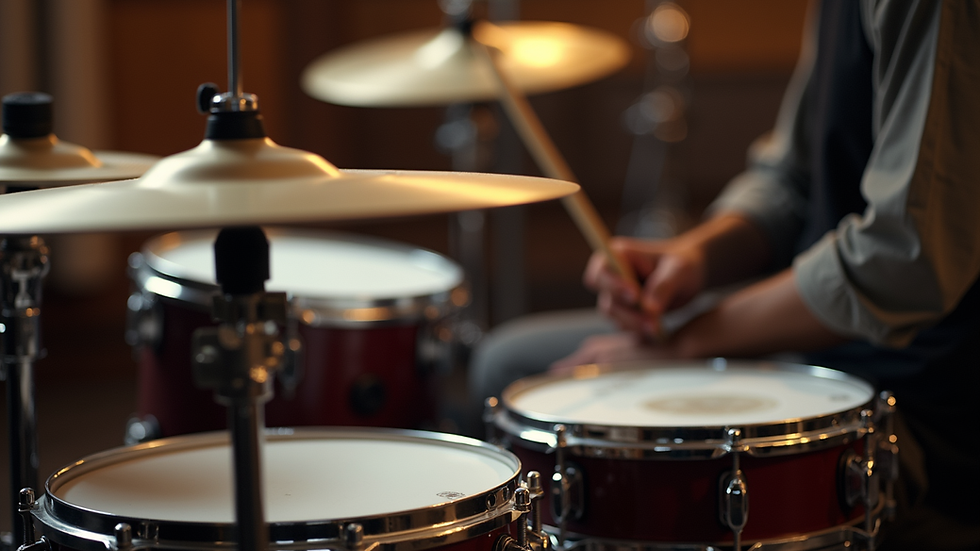
Mick Fleetwood, the legendary drummer of Fleetwood Mac, is known for his distinctive style and sound. Over the years, he has played various drum kits, but he is most famously associated with Ludwig drums. His setup often includes:
A classic Ludwig drum kit with a vintage finish
Multiple toms and cymbals for a rich, dynamic sound
A snare drum that delivers crisp, sharp beats
Fleetwood’s choice reflects his versatile playing style, blending rock, blues, and pop rhythms. If you admire his sound, consider starting with a similar drum kit setup to explore your own style.
Caring for Your Percussion Instrument
Once you have chosen your percussion instrument, proper care is essential to keep it sounding great and lasting long. Here are some tips:
Keep it clean: Wipe down your instrument regularly with a soft cloth to remove dust and sweat.
Store properly: Avoid extreme temperatures and humidity. Use cases or covers to protect your instrument when not in use.
Tune regularly: For drums with tunable heads, check the tension and adjust as needed to maintain the best sound.
Handle with care: Avoid dropping or banging your instrument unnecessarily.
Seek professional help: If you notice any damage or wear, consult a professional for repairs.
By taking good care of your percussion instrument, you ensure it remains a reliable companion for your musical journey.
Finding the Right Support and Resources
Choosing and playing percussion instruments is a rewarding experience, but it can also be challenging. Luckily, there are many resources available to help you:
Local music stores: Visit stores like Music Doctor in Logan City for expert advice, instrument trials, and accessories.
Online tutorials: Platforms like YouTube offer countless lessons for all skill levels.
Community groups: Join local percussion or drumming groups to connect with other musicians and learn together.
Workshops and classes: Look for workshops in your area to improve your technique and knowledge.
Remember, the right support can make a big difference in your progress and enjoyment.
Your Next Step in Percussion
Choosing the perfect percussion instrument is a personal journey. It’s about finding the sound and feel that inspire you to play and create. Whether you pick up a traditional Australian clapstick, a hand drum, or a full drum kit, the key is to enjoy the process and keep exploring.
If you’re ready to start or upgrade your percussion collection, check out the wide range of drums and percussion instruments available at Music Doctor. Their knowledgeable team can guide you every step of the way.
Happy drumming!


Comments