


Drums and Percussion Instruments: A Buying Guide for Buying Percussion Instruments Australia

Choosing the right drums and percussion instruments can be exciting but also a bit overwhelming. Whether you are just starting out or looking to upgrade your kit, there are many factors to consider. In this guide, I will walk you through everything you need to know to make a smart purchase. From understanding different types of drums to tips on buying percussion instruments, this post will help you find the perfect fit for your musical journey.
Understanding Different Types of Drums and Percussion Instruments
Before you buy, it’s important to know what kinds of drums and percussion instruments are available. Each type serves a different purpose and suits different styles of music.
Drum Kits: These are the most common for rock, pop, jazz, and many other genres. A standard kit includes a bass drum, snare drum, toms, hi-hat, and cymbals.
Hand Drums: Instruments like bongos, congas, and djembes are played with your hands. They are great for world music and add a unique rhythm to any ensemble.
Orchestral Percussion: This category includes timpani, xylophones, and marimbas. These are often used in classical music and require a different playing technique.
Auxiliary Percussion: Think tambourines, shakers, cowbells, and blocks. These add texture and colour to your music.
When you’re shopping, consider what style of music you want to play and where you will be performing. This will help narrow down your choices.
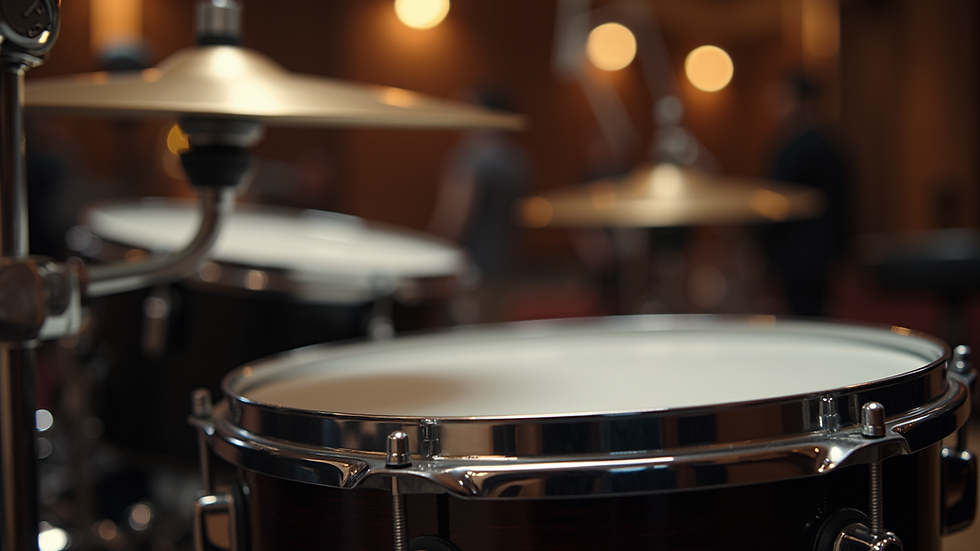
Tips for Buying Percussion Instruments Australia
Buying percussion instruments in Australia comes with its own set of considerations. Here are some practical tips to help you get the best value and quality:
Shop Local When Possible
Buying from local stores or Australian-based online shops can save you on shipping costs and import taxes. Plus, you can often try the instruments before you buy.
Check for Warranty and Support
Make sure the seller offers a warranty and good customer support. This is especially important for beginners who might need extra help.
Consider Your Budget
Percussion instruments come in a wide price range. Set a budget but be prepared to invest a little more for better sound and durability.
Look for Quality Materials
Wood shells, quality drumheads, and sturdy hardware make a big difference in sound and longevity.
Ask About Accessories
Drumsticks, cases, and tuning keys are essential. Some stores offer bundles that include these extras.
Read Reviews and Get Recommendations
Online reviews and advice from fellow musicians can guide you to reliable brands and models.
Think About Your Space
If you live in an apartment or shared house, consider electronic drum kits or smaller percussion instruments to keep noise levels down.
By following these tips, you’ll be well on your way to finding the right percussion instruments for your needs.
What drums does Mick Fleetwood play?
Mick Fleetwood, the legendary drummer of Fleetwood Mac, is known for his distinctive style and sound. Over the years, he has played various drum kits, but he is most famously associated with Ludwig drums. His setup typically includes:
Ludwig Classic Maple Drum Kit: Known for its warm tone and excellent projection.
Custom Snare Drums: Fleetwood often uses snares with unique finishes and tuning to achieve his signature sound.
Zildjian Cymbals: He prefers a mix of crashes, rides, and hi-hats from this brand for their rich tonal qualities.
Fleetwood’s drum kits are carefully tuned to suit the music’s mood, from soft ballads to powerful rock anthems. His choice of drums reflects a balance between tradition and innovation, making his sound instantly recognisable.
How to Choose the Right Drum Kit for Your Skill Level
Choosing a drum kit depends a lot on your experience and goals. Here’s a simple breakdown:
Beginners: Look for a basic 5-piece kit with a bass drum, snare, two toms, and a floor tom. This setup covers most styles and is easy to learn on. Consider electronic kits if noise is a concern.
Intermediate Players: You might want to add extra toms, cymbals, or upgrade to better hardware. Look for kits with solid wood shells and good tuning options.
Advanced Drummers: Custom kits or professional models with high-end materials and hardware are ideal. You may also want to explore different drum sizes and configurations to suit your style.
Don’t forget to try out the kit before buying. Feel how the drums respond to your playing and listen to the sound in the room. Comfort and sound quality are key.
Caring for Your Drums and Percussion Instruments
Regular Cleaning: Wipe down shells and hardware with a soft cloth to remove dust and sweat.
Proper Storage: Keep your instruments in a dry, temperature-controlled environment to avoid warping or rust.
Tuning: Learn how to tune your drums properly. This affects both sound and drumhead life.
Replace Drumheads When Needed: Over time, drumheads wear out and lose tone. Changing them regularly keeps your kit sounding fresh.
Check Hardware: Tighten screws and bolts to prevent rattling and damage.
Taking care of your instruments will extend their life and keep your music sounding great.

Finding the Best Deals and Services in Logan City
If you are in Logan City or nearby, you’re in luck. There are several music stores and services that cater to drummers and percussionists. Look for places that offer:
A wide range of instruments and accessories
Expert advice and personalised service
Repair and maintenance services
Rental options for beginners or short-term needs
Music Doctor is one such place that aims to support musicians at every stage. Whether you need a new drum kit, tuning help, or accessories, having a reliable local resource makes a big difference.
I hope this guide helps you feel confident about buying percussion instruments in Australia. Remember, the right drums and percussion instruments can inspire your creativity and elevate your music. Take your time, try different options, and enjoy the journey!


Comments